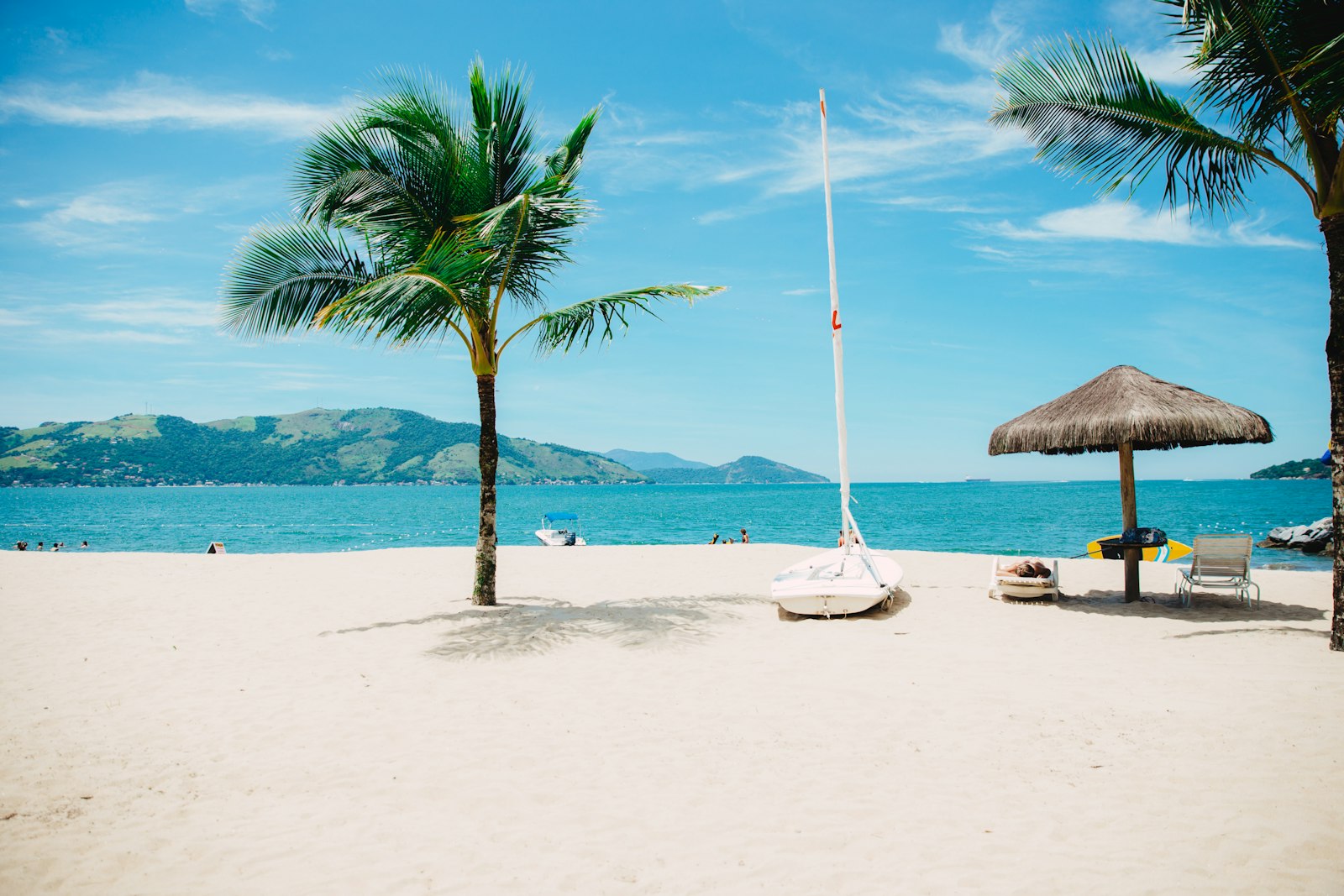
Virgin Islands
Capital
Road Town (British Virgin Islands), Charlotte Amalie (U.S. Virgin Islands)
Official Language
English
Best time to visit
December to April
Population
135 000
About
The Virgin Islands are a spectacular Caribbean archipelago located east of Puerto Rico, divided between the British Virgin Islands and the United States Virgin Islands. Together, these territories offer an extraordinary combination of white-sand beaches, turquoise waters, tropical islands, coral reefs and fascinating maritime history. The British Virgin Islands, including Tortola, Virgin Gorda, Jost Van Dyke and Anegada, are particularly famous for sailing, secluded beaches and the remarkable granite formations of The Baths. The U.S. Virgin Islands, including Saint Thomas, Saint John and Saint Croix, feature beautiful national parks, historic towns, exceptional snorkeling and vibrant Caribbean culture. Visitors can explore protected marine environments, discover colonial architecture, relax in peaceful bays and enjoy world-class boating experiences. With their tropical landscapes, welcoming atmosphere and diverse island attractions, the Virgin Islands are among the Caribbean's most appealing destinations for beach lovers, couples, families and adventure travelers.
Why visit
Discover two remarkable Caribbean territories within one island-hopping destination. Explore the spectacular granite boulders of The Baths on Virgin Gorda, sail through the beautiful British Virgin Islands, relax on the pristine beaches of Saint John and admire the colorful waterfront of Charlotte Amalie on Saint Thomas. The archipelago offers excellent diving, coral reefs, tropical forests, historic plantations and peaceful anchorages. Travelers can combine luxury resorts, sailing adventures, local Caribbean cuisine and cultural discoveries. Each island has its own personality, making the Virgin Islands ideal for visitors who want to experience several different tropical environments during a single journey.
Must-see
Must-see map
Cities, must-sees and hidden gems, day by day, in the right order.
Travel styles
Practical tips
Plan your itinerary carefully because the British and U.S. Virgin Islands are separate jurisdictions with different immigration, customs and entry requirements. Travelers crossing between them must comply with the regulations applicable to their nationality and travel documents. Ferries and private boats connect several islands, but schedules and border procedures should be confirmed in advance. The U.S. dollar is used throughout both territories, although prices can be high, especially for accommodations, boat charters and restaurants. Renting a car is useful on larger islands, and driving is on the left in both territories. Book popular beaches, excursions and accommodations early during peak season. Respect marine protected areas and avoid touching coral reefs.
Weather
The Virgin Islands have a warm tropical maritime climate, with relatively consistent temperatures throughout the year. The drier season generally extends from December to April, offering pleasant conditions for beaches, sailing, snorkeling and outdoor activities. The wetter season from May to November brings higher humidity, more frequent showers and an increased risk of tropical storms and hurricanes. Temperatures remain warm throughout the year, while trade winds help moderate the tropical heat. Ocean temperatures are generally suitable for swimming and diving in every season. Weather conditions can vary between islands, and strong winds or rough seas may disrupt ferry services and boating excursions. Travelers should monitor official weather forecasts, particularly during hurricane season.
Average budget
The Virgin Islands are generally considered a premium Caribbean destination because of high accommodation costs, imported goods, transportation expenses and the popularity of sailing and luxury tourism. Saint Thomas and Tortola offer a broad range of accommodations, while exclusive resorts on Virgin Gorda, Saint John and private islands can be considerably more expensive. Boat charters, diving excursions and inter-island transportation can significantly increase travel expenses. Travelers can reduce costs by choosing guesthouses, visiting outside peak season, using public ferries and dining at local establishments instead of upscale resorts.
Safety
The Virgin Islands are popular tourism destinations, but travelers should remain aware of crime, maritime hazards and tropical weather risks. Petty theft, vehicle break-ins and occasional violent crime can occur, particularly in certain urban areas and nightlife districts. Visitors should secure valuables, avoid isolated areas after dark and use reputable transportation services. Hurricanes and tropical storms can cause serious damage and disrupt essential services during the Atlantic hurricane season. Strong currents, rough seas and boating accidents present additional risks. Travelers should follow beach safety warnings and use qualified operators for diving and sailing excursions. Emergency services and healthcare capabilities vary between islands, and serious medical situations may require evacuation.
Transport
The Virgin Islands are served by several airports and an extensive network of ferries and private boat transfers. Cyril E. King Airport on Saint Thomas and Henry E. Rohlsen Airport on Saint Croix serve the U.S. Virgin Islands. Terrance B. Lettsome International Airport on Beef Island, connected to Tortola by bridge, is a principal gateway to the British Virgin Islands. Ferries connect Saint Thomas with Saint John and provide international services to Tortola and other British Virgin Islands destinations, subject to schedules and border formalities. Inter-island ferries and water taxis connect Tortola, Virgin Gorda, Jost Van Dyke and selected neighboring islands. Anegada generally requires a ferry or small aircraft. Rental cars, taxis and charter boats are useful for exploring the archipelago.
Health
Make sure routine vaccinations are up to date. Hepatitis A and hepatitis B vaccinations may be recommended depending on individual circumstances and planned activities. The Virgin Islands are not considered malaria transmission destinations, but mosquito-borne illnesses such as dengue, chikungunya and Zika can occur. Travelers should use insect repellent, wear protective clothing when appropriate and reduce mosquito exposure. Yellow fever vaccination is generally not required for ordinary visits, although entry requirements should be verified for travelers arriving from countries with yellow fever transmission risk. Sun protection and hydration are essential because of strong tropical sunshine. Medical facilities are available on major islands such as Saint Thomas, Saint Croix and Tortola, but specialized care may be limited on smaller islands. Comprehensive medical and evacuation insurance is recommended.
Travel formalities
PASSPORT
ONBOARD · TRAVEL GUIDE
ONBOARD
ONBOARD
Destination
VIRGIN ISLANDS
Road Town